Exploring Connections Between Slot Volatility Ratings and Player Session Durations in Licensed Digital Gaming Platforms
Devon Müller · Oct 15, 2026
Exploring Connections Between Slot Volatility Ratings and Player Session Durations in Licensed Digital Gaming Platforms
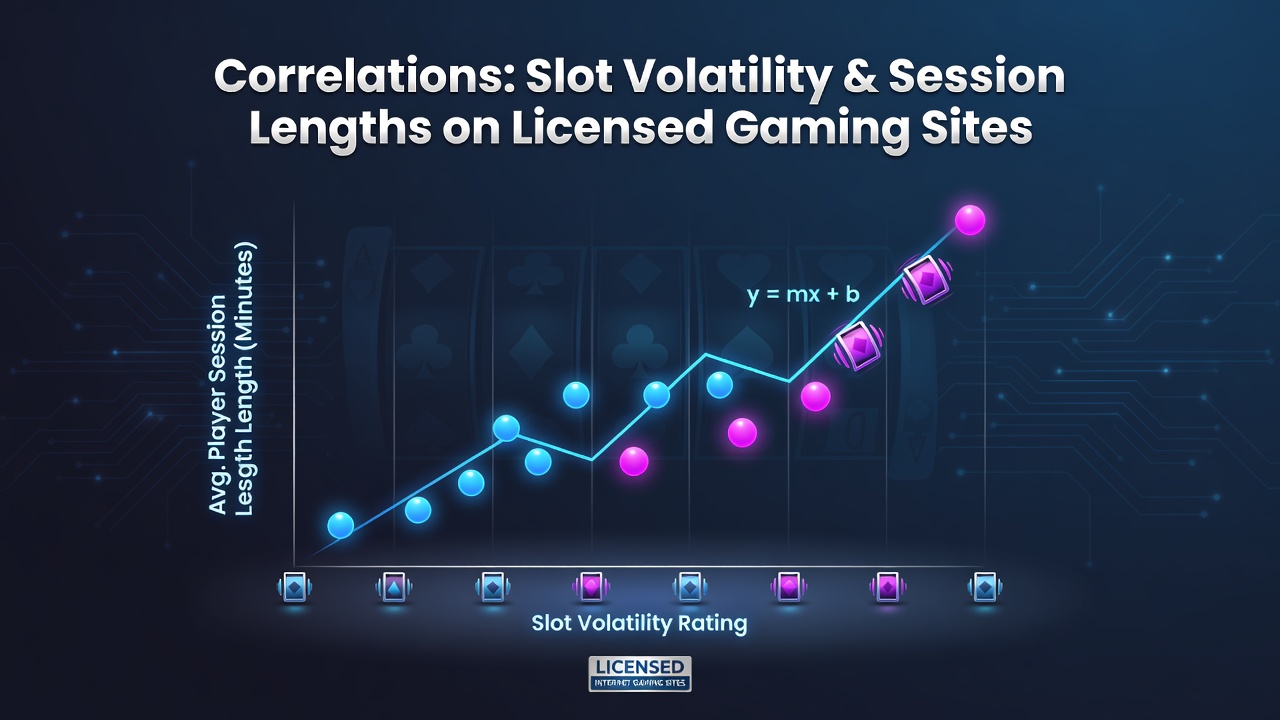
Slot volatility ratings serve as key indicators for how frequently and how substantially digital slot machines deliver payouts, while average player session lengths track the typical time users remain engaged on licensed internet gaming sites. Researchers track these metrics across multiple jurisdictions because volatility levels appear to shape engagement patterns in measurable ways. Data compiled from regulated platforms shows that high-volatility titles often pair with shorter average sessions, whereas low-volatility options tend to sustain longer play intervals. Observers note this relationship holds across various markets when analysts control for game theme and bonus features.
Defining Volatility Ratings in Digital Slots
Volatility classifications divide into low, medium, and high categories based on payout frequency and size distribution. Low-volatility slots generate smaller wins at regular intervals, medium-volatility games balance frequency with occasional larger returns, and high-volatility machines produce infrequent but potentially substantial payouts. Gaming operators assign these ratings using mathematical models that simulate thousands of spins, and independent testing labs verify the classifications before sites launch the titles. As of October 2026, several platforms updated their volatility labels after software revisions altered payout structures in popular series.
Measuring Average Session Lengths
Session length calculations rely on timestamp data that records when players initiate and end play on individual games. Licensed operators aggregate this information while adhering to data protection standards, then share anonymized summaries with regulatory bodies for oversight purposes. Analysts calculate mean durations by dividing total active minutes by the number of completed sessions within defined periods. These figures exclude idle time and account for multi-game switches that occur within single login periods. Studies indicate that session metrics fluctuate seasonally, with slight extensions observed during holiday periods across multiple regions.
Observed Correlations in Licensed Environments
Multiple datasets reveal consistent patterns linking higher volatility to reduced session times. Players on high-volatility slots often complete sessions within fifteen to twenty-five minutes on average, while low-volatility games show means extending to forty-five minutes or more. This difference emerges because rapid bankroll swings in high-volatility titles prompt quicker decisions to stop, whereas steadier returns encourage continued spins. Researchers at the University of Nevada, Las Vegas documented similar trends when examining aggregated logs from North American platforms. Medium-volatility games occupy an intermediate position, with sessions averaging thirty to thirty-five minutes depending on the specific title and player demographics.
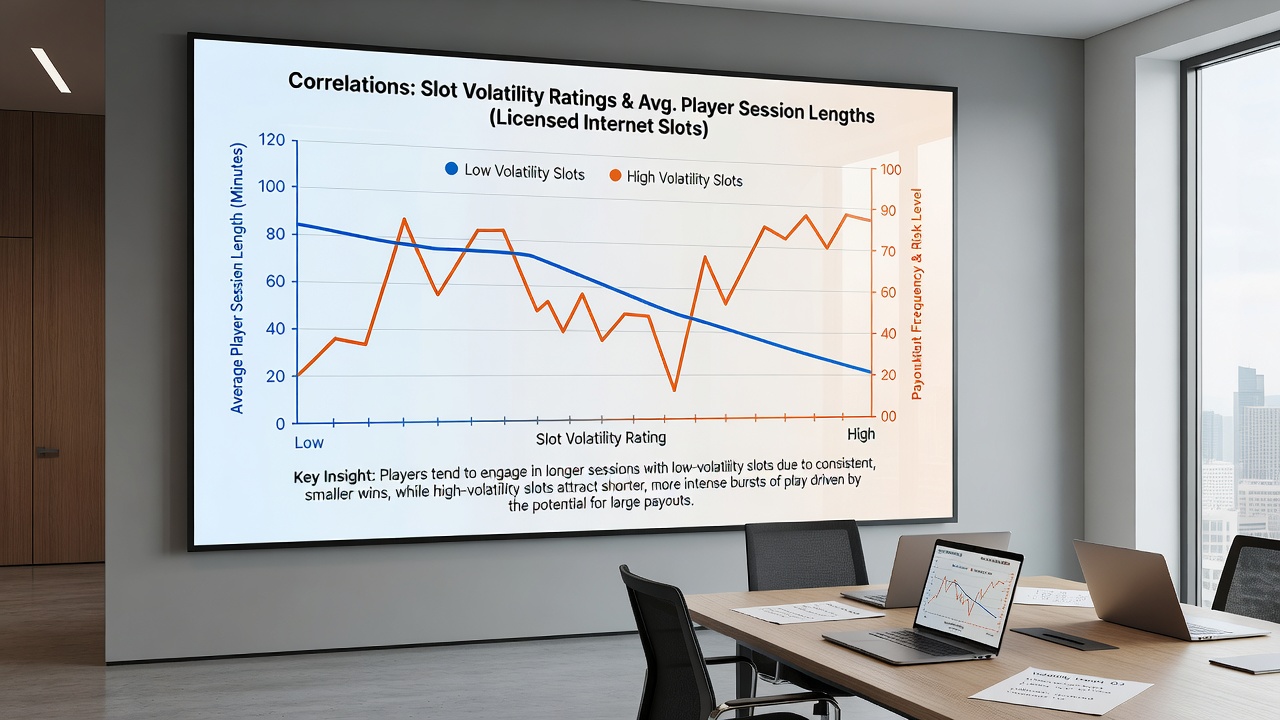
Further examination shows that bonus round frequency interacts with volatility ratings to modify these outcomes. High-volatility games with infrequent but lengthy bonus sequences sometimes extend sessions beyond initial expectations, while low-volatility titles lacking strong bonus elements may see shorter play windows. Data collected from Canadian provincial gaming authorities demonstrates that players who switch between volatility categories within one session tend to average longer overall engagement than those who remain on a single volatility type.
Factors That Influence the Relationship
Game design elements beyond volatility, such as return-to-player percentages and progressive jackpot availability, also affect session durations. Higher RTP values generally correlate with modestly longer sessions regardless of volatility level, because players perceive better value over time. Regulatory requirements in various jurisdictions mandate clear disclosure of volatility information, which enables players to select games matching their preferred session style. Industry reports compiled by the Australian Gaming Research Centre highlight that mobile access further modulates these patterns, with shorter sessions more common on smartphones irrespective of volatility rating.
Player segmentation adds another layer of complexity. High-frequency players exhibit different volatility preferences compared with occasional users, leading to varied session length outcomes even within the same game category. Licensed operators use this segmentation data to refine game recommendations without altering the underlying volatility mechanics. Evidence from European regulatory summaries indicates that promotional campaigns tied to specific volatility levels can temporarily shift average session metrics by several minutes.
Conclusion
Available records from licensed internet gaming sites demonstrate measurable associations between slot volatility ratings and average player session lengths. High-volatility options tend toward shorter sessions, low-volatility titles support extended play, and medium-volatility games fall in between. These patterns persist across different regions and device types when researchers examine large-scale operational data. Continued monitoring by regulatory bodies and academic institutions will refine understanding of how volatility interacts with other game features to shape engagement durations.